The 13- or 17-year lifespan of periodical cicadas is one of the longest of any insect, but only a tiny fraction of that time is spent above ground. The rest of a periodical cicada’s life is spent underground as a nymph feeding on liquid sucked from plant roots. Over their many years beneath the soil, the nymphs shed their exoskeletons, a process known as molting, five times.
Writing for National Geographic, Amy McKeever reports that the nymphs count the years by detecting the uptick in fluid flowing through the roots they feed on that occurs during each year’s spring growing season. After 13 or 17 cycles, periodical cicadas wait for the soil temperature to reach around 64 degrees before digging their way back to the surface.
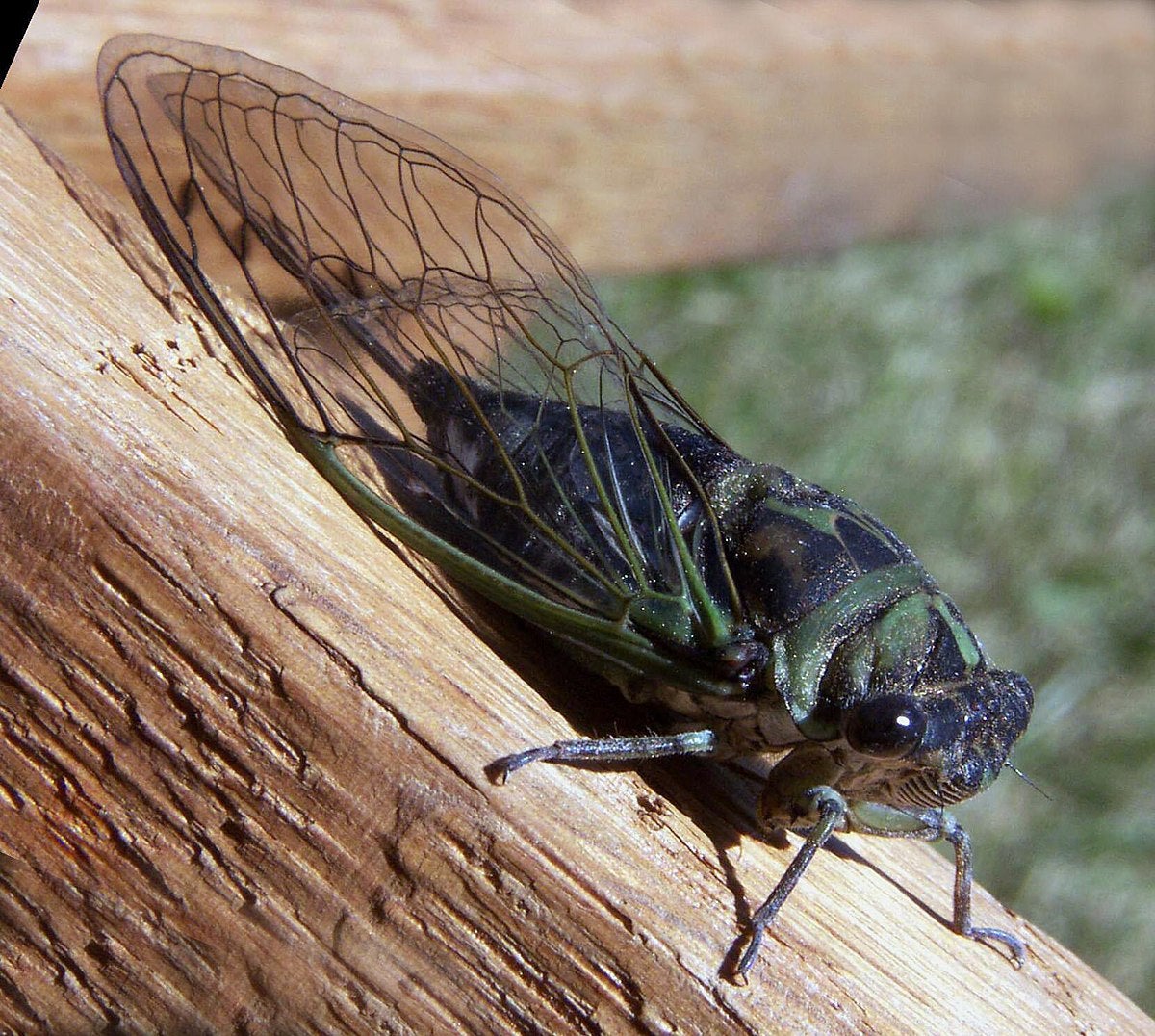
Once topside, the nymphs climb up into the trees where they proceed to plant themselves on a branch and transform into winged adults by once again shedding their exoskeletons. At first, the red-eyed adults are a ghostly white with soft, curled-up wings unfit for flight, but their bodies soon harden and turn black and the now rigid wings can finally float the chunky two-inch bug into the air.
birdboix
17-17
no coincidences
SKRRT SKRRT SKRRT
Peachtree_SCross
I remember my first Reddit account, this sub was cicadas and Paul Milsap was our goat chirper



3 Comments
The 13- or 17-year lifespan of periodical cicadas is one of the longest of any insect, but only a tiny fraction of that time is spent above ground. The rest of a periodical cicada’s life is spent underground as a nymph feeding on liquid sucked from plant roots. Over their many years beneath the soil, the nymphs shed their exoskeletons, a process known as molting, five times.
Writing for National Geographic, Amy McKeever reports that the nymphs count the years by detecting the uptick in fluid flowing through the roots they feed on that occurs during each year’s spring growing season. After 13 or 17 cycles, periodical cicadas wait for the soil temperature to reach around 64 degrees before digging their way back to the surface.
Once topside, the nymphs climb up into the trees where they proceed to plant themselves on a branch and transform into winged adults by once again shedding their exoskeletons. At first, the red-eyed adults are a ghostly white with soft, curled-up wings unfit for flight, but their bodies soon harden and turn black and the now rigid wings can finally float the chunky two-inch bug into the air.
17-17
no coincidences
SKRRT SKRRT SKRRT
I remember my first Reddit account, this sub was cicadas and Paul Milsap was our goat chirper